Decorating a child's room is one of the most rewarding – and most challenging – interior design tasks. Parents often face a dilemma: choose modern, mass-produced furniture with a rather predictable look, or go for something special? In recent years, one approach has been growing in popularity: one that combines a love of natural materials with respect for tradition.
A vintage-style kids' room is a wonderful alternative to plastic, sterile minimalism. It lets you create a space that is incredibly cosy, warm and full of magic, yet also very elegant. Most importantly, this kind of décor does not go out of fashion with every birthday. Find out how to design a room with a historical touch and which elements will help you create a fairy-tale world with soul.
Vintage Kids' Room – Why It's an Excellent Choice
Choosing a vintage style for a child's room brings a range of benefits that go far beyond looks. First and foremost, it is a nod to sustainability and natural living. In an era of ubiquitous plastic and low-quality particleboard, natural wood has become a highly sought-after material. Furniture made from solid wood or covered with fine veneers is completely safe for a child's health – it does not emit harmful substances and is finished with eco-friendly oils, waxes or certified water-based lacquers.
The second key factor is durability. A child's room is a place of intense play, endurance tests and creative experiments. Cheap furniture from big-box stores quickly gets worn and damaged. Solid wood furniture, by contrast, is extremely resistant to knocks and wear.
It gains even more character with age, and any scratches can easily be removed by spot-sanding and re-oiling. Surrounding children from an early age with objects of real aesthetic and craft value helps shape their sensitivity to beauty and design. By choosing genuine vintage furniture for children, we create a safe and harmonious haven for them.
Key Vintage Furniture for Babies' and Older Kids' Rooms
Start furnishing the room with a few core pieces that will define the space. In a nursery, the centrepiece will be a cot made of light wood with rounded bars. Next to it should stand a roomy chest of drawers, which will first serve as a changing station and in later years become storage for clothes and toys.
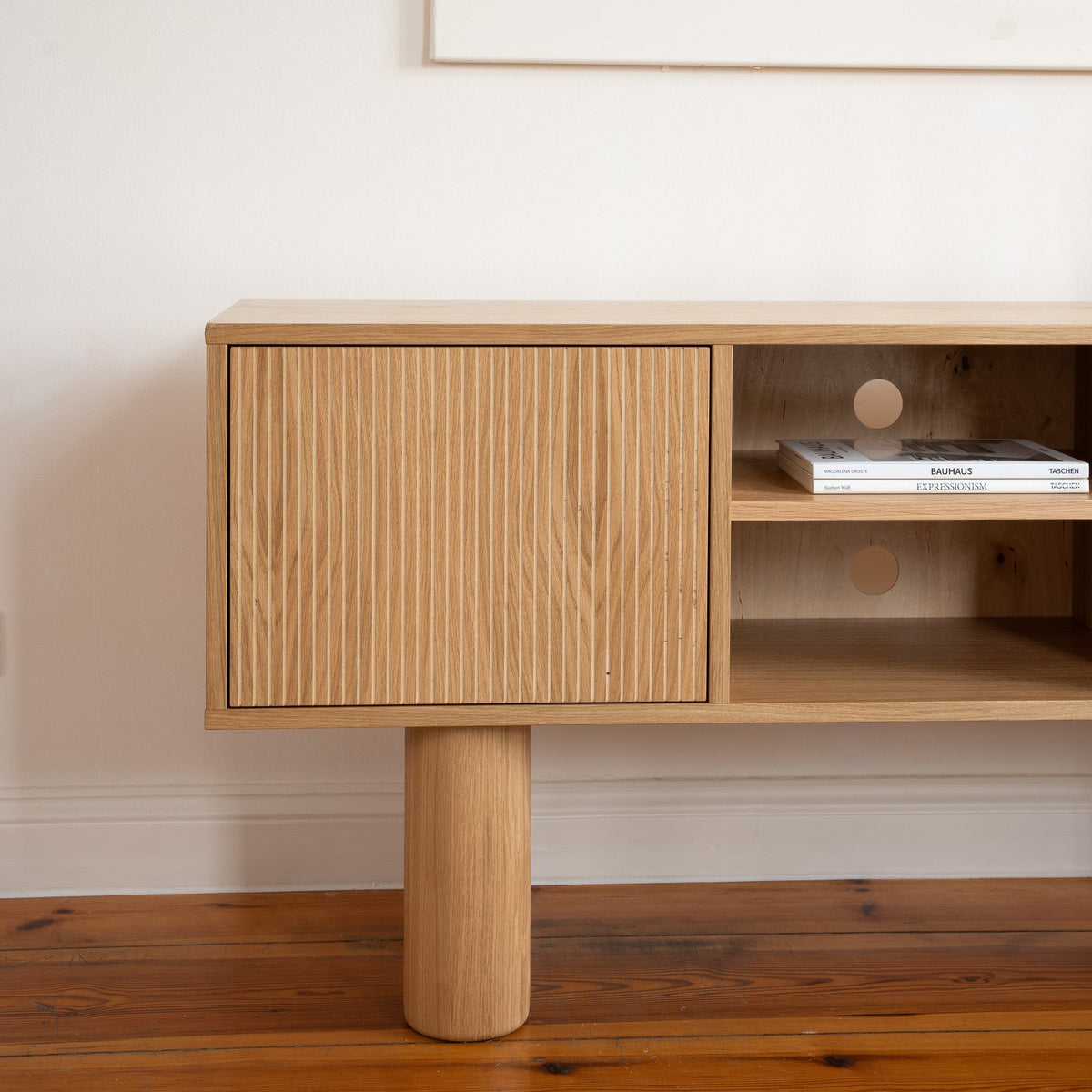
In an older child's room, a classic sideboard on tall legs and a wooden bookcase for books and toys work perfectly. An open design makes it easy for children to reach their favourite things while displaying attractive book covers and wooden toys. Natural materials and solid, traditional joinery guarantee complete stability, which is why genuine vintage-style furniture is so popular with thoughtful parents. It is also worth creating a corner for drawing and learning – a small wooden table with a retro-style spindle-back chair provides the ideal setting for developing creativity.
Colours and Patterns That Bring a Kids' Room to Life
Vintage style does not like bright neon colours. Instead, it relies on a palette of earthy tones and muted pastels, which have a calming effect on children and help them concentrate. Warm beiges, creamy white and light greys make an excellent base for the room. As complementary colours, consider:
- Mustard yellow: Brings sunshine and joy into the room and pairs beautifully with natural oak.
- Sage green or olive: Soothing colours that suit both boys' and girls' rooms.
- Dusty pink or muted coral: Add a romantic, delicate touch to the interior.
Pattern plays a very important role in a vintage room. Retro-style wallpapers have been a big hit in recent years – with small flowers, woodland motifs, delicate stripes or vintage cars. It is best to use them on one main wall (for example behind the bed) and keep the other walls in plain colours so the room does not feel overwhelming.
Retro Decorations and Accessories with Soul
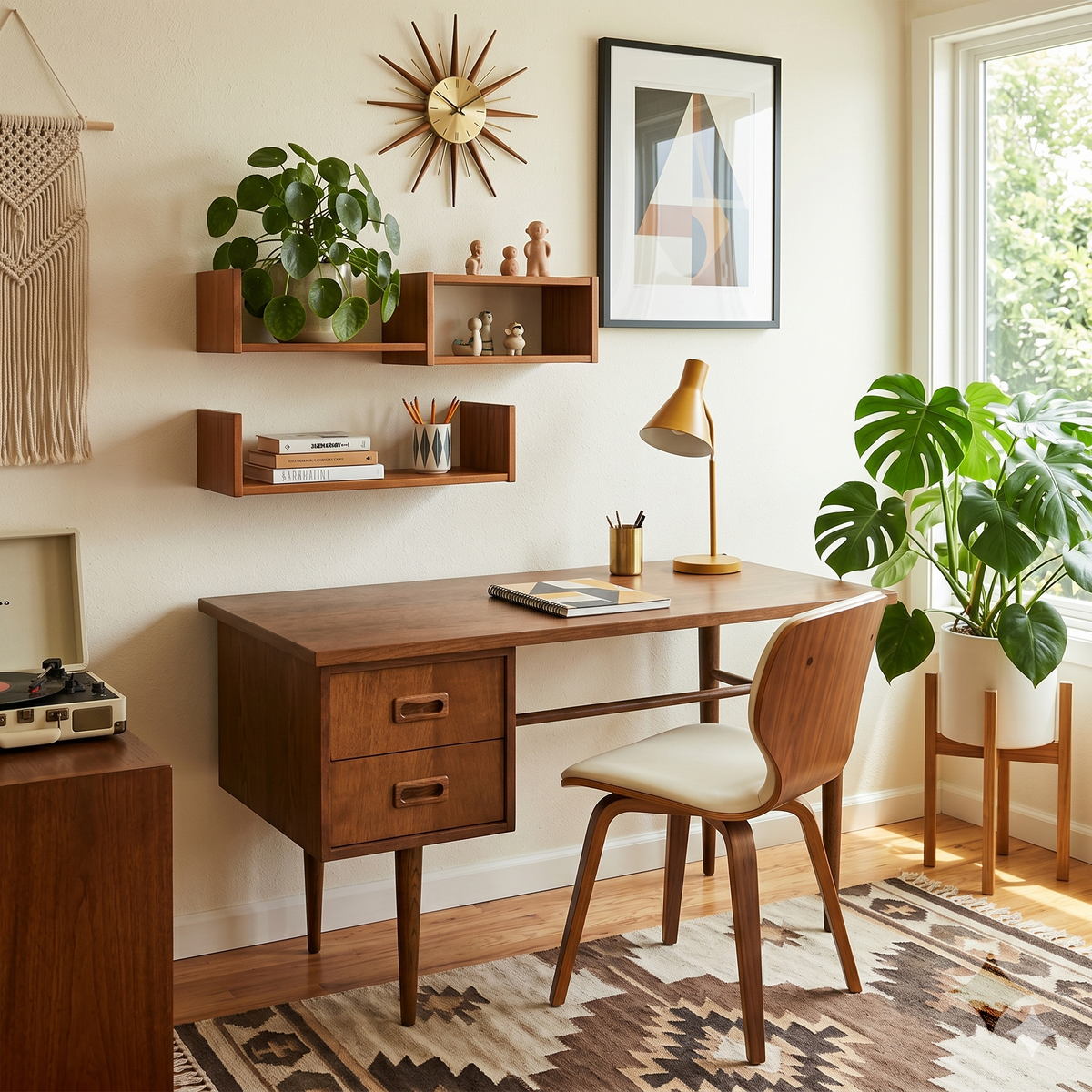
It is the details that give a child's room its finishing touch. In vintage style, decorations made from natural materials reign supreme. Instead of plastic toy boxes, choose wicker baskets, jute bags or wooden crates on castors. Lay a soft, dense-weave rug in muted colours on the floor.
On the walls, hang retro-style posters featuring woodland animals, old maps or vintage lettering. A cotton canopy or linen bunting looks lovely above the bed. And don't forget period toys – a wooden rocking horse, a wicker doll's pram or a metal retro racing car guarantee great fun and also make wonderful decorations that go perfectly with wooden furniture.
Timeless Design: a Room That Grows with Your Child
One of the biggest advantages of a vintage kids' room is its longevity. Modern themed rooms quickly bore children or become unsuitable for their age. Classic retro design, by contrast, withstands such changes.
A wooden chest of drawers that once held a baby's nappies and clothes will later store an older child's exercise books and school textbooks. Slender toy shelves easily turn into a growing teenager's bookcase. By choosing high-quality furniture made from natural materials, you are investing in pieces that can accompany your child throughout their childhood and later grace other rooms in the house – such as a study or the parents' bedroom.


FAQ
How do I decorate a kids' room in vintage style?
The key is to choose furniture made of natural wood or veneer on slender legs and pair it with muted earthy colours and pastels. Complete the look with linen and cotton textiles, wicker baskets and retro decorations such as paper posters or wooden toys.
Is vintage furniture safe for children?
Yes, as long as you choose furniture from trusted makers who use safe, eco-friendly oils, waxes and certified water-based lacquers. Natural wood is hypoallergenic, and the solid construction of handcrafted furniture guarantees full stability, eliminating the risk of tipping over.
What wall colours work best in a retro kids' room?
Warm shades of beige, creamy white, sage green, mustard yellow, ochre and muted blue or powder pink work best. You might also consider wallpapering one wall with small retro botanical or geometric patterns.
Which accessories complete a vintage kids' room?
Go for cotton canopies, bunting, wicker and jute toy baskets, wooden rocking horses and classic posters. Textiles with a distinct texture are also important – chunky-knit wool blankets or linen cushions.
Does retro furniture suit a small child's room?
Definitely. Because retro furniture has characteristic slender, tall legs, the pieces look lighter and do not visually take up floor space, which makes it possible to furnish even a small room practically.