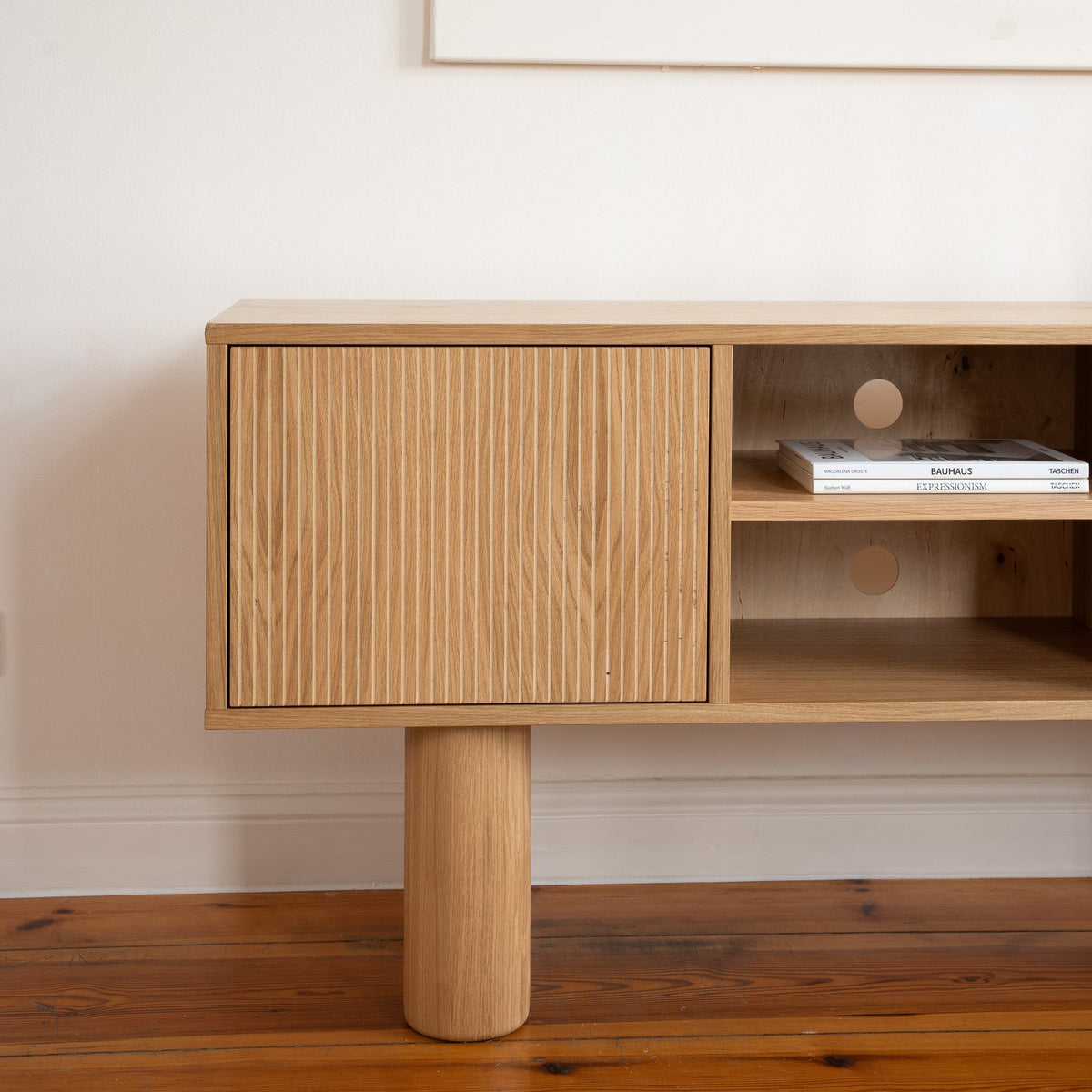
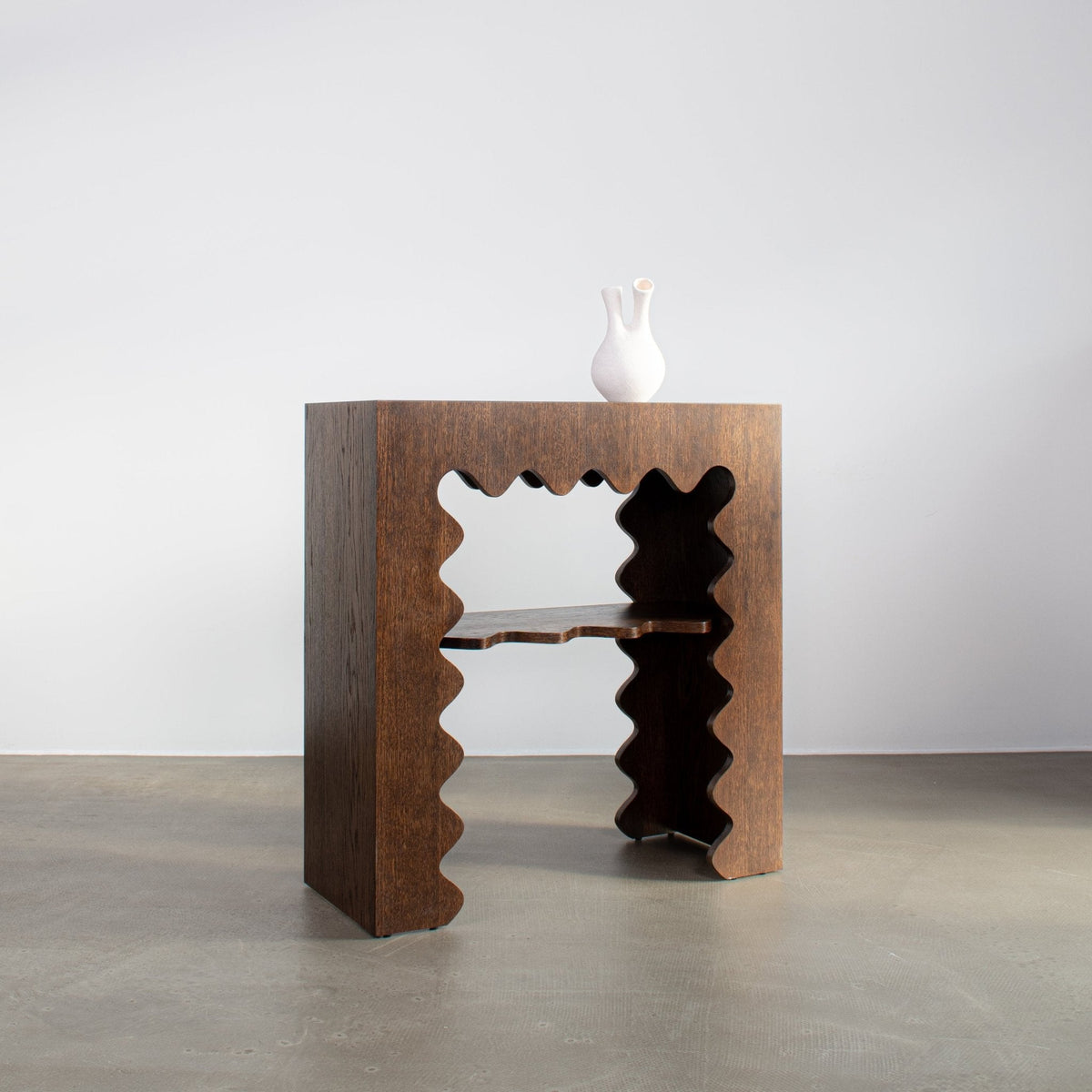
White in interiors is usually associated with modern minimalism, cool Scandinavian style or the idyllic look of Provence. Yet this colour has another, fascinating side that has been enjoying a real revival in recent years: light schemes inspired by Polish design of the 1960s and 1970s.
Bringing light shades to classic, geometric shapes lets you create interiors full of lightness that still have a strong historical character. Wondering how to work white retro furniture into your room so that it feels cosy and full of old-world soul rather than cold? Here is a comprehensive guide to help you create a timeless interior that draws on the best traditions of Polish craftsmanship.
White Retro Furniture – Back to the Roots of Polish Mid-Century Design
To fully appreciate the charm of this aesthetic, it is worth going back a few decades. In the Polish mid-century (PRL) era, when flats in prefabricated concrete blocks were notoriously small, designers had to be remarkably creative. Furniture of the time had to be functional and compact above all, without overpowering small rooms. That was when light finishes, white laminates and high gloss became popular ways to make dark rooms look bigger and brighter.
Today's white retro furniture is not a faithful copy of those old products but a refined reinterpretation of their design. Contemporary pieces combine classic forms – angled legs, rounded edges and long handles – with fine wood and natural veneer instead of cheap fibreboard. The white on the fronts is no longer cold and clinical; it takes on a warm, off-white tone that harmonises with the natural wood grain.
How to Style White Retro Furniture in a Modern Home
The greatest advantage of furniture in this style is its versatility. It fits perfectly into loft-style and industrial spaces as well as classic modern living rooms. The key to a successful scheme is balancing cool white with the warm texture of wood. A very popular solution is two-tone furniture: an oak or walnut carcass paired with matt white doors and drawer fronts.
Build your living room around a few strong pieces. A low TV unit on slender legs and a large sideboard make a great starting point. If you need to make the room look bigger and gain plenty of storage space, tall retro chests of drawers are an excellent solution. With white fronts they will not dominate the space, and tall legs make the whole piece appear to float above the floor. You can confidently build the rest of the décor around such pieces – for example by adding an upholstered armchair with an organic shape or a minimalist metal floor lamp.
Colours, Textiles and Accessories That Warm Up White
To stop a living room with white retro pieces from feeling cold, it is crucial to surround them with the right colours and textures. White is a perfect base for a rich vintage colour palette. If you want to create a harmonious interior, consider the following wall and accent combinations:
- Warm beiges and sandy tones: Create a soft, relaxing contrast with white and make the room look bigger.
- Sage green and olive: Bring a breath of nature and calm into the interior and pair beautifully with oak.
- Mustard yellow: A classic retro colour that adds energy to the space and livens up white furniture fronts.


Textiles are another essential element for warming up the scheme. Go for heavy curtains in natural linen, dense-weave rugs (for example with 1970s-style geometric patterns) and cushions covered in soft velour or corduroy.
Why Natural Wood and Craftsmanship Beat MDF
When choosing furniture for your home, it is easy to be tempted by cheap, mass-produced white MDF furniture from popular chain stores. Although it may look fine at first glance, it quickly loses both value and good looks. Particleboard furniture is prone to knocks and dents, and over time its edges start to chip and peel unattractively when exposed to moisture.
Premium retro furniture is a completely different class of product. It is made from natural wood (such as oak or American walnut) and high-quality veneers. Every component is fitted by hand and finished with eco-friendly oils that protect the material while letting it breathe. The white fronts are lacquered in a way that either leaves the wood structure partly visible or creates an elegant satin-matt finish. A piece like this will not only last for decades but will grow more beautiful with age, becoming a treasured family heirloom.
How to Care for White Retro Furniture So It Doesn't Turn Yellow
Light wooden and lacquered furniture needs care to keep its colour for years. White's greatest enemy is UV light, which can cause the lacquer to yellow and the wooden carcass to discolour. Try not to place furniture right next to south-facing windows.
To clean white fronts and wooden parts, use only soft microfibre cloths. Avoid abrasive sponges and products containing alcohol, ammonia or abrasives, which could scratch the lacquer and dull the surface. With coffee, tea or wine stains, acting quickly is key – wipe the mark away with a damp cloth before it soaks into the finish.
FAQ
Does white retro furniture suit a small living room?
Yes, it is one of the best solutions for small spaces. Light fronts reflect light and make the room look bigger, while the slender, tall legs typical of retro style lift the piece off the floor, giving the whole interior a sense of lightness and space.
How do I combine white retro furniture with natural wood?
The simplest and most elegant way is to choose two-tone pieces – for example with an oak or walnut carcass and white drawer fronts or doors. Natural wood softens the coolness of white, while the white accents give the furniture a fresh, modern look.
What wall colours go best with white retro furniture?
Warm earthy colours such as beige, sand, sage green and olive work beautifully, as do bolder retro shades: mustard, muted orange or terracotta. Avoid cool greys, which can make the room feel stark and uninviting.
How can I tell white retro furniture apart from modern Scandinavian style?
Retro furniture stands out for its distinctive geometric shape, tapered turned legs, rounded edges and details that reference the 1950s and 1960s. Scandinavian style is usually more austere and linear, and less often uses intricate joinery details.
How do I clean and care for white lacquered fronts on retro furniture?
For everyday care, a soft cloth lightly dampened with water is enough, followed by wiping the surface dry. Avoid detergents, cream cleansers and tinted waxes, which can damage the lacquer and change the shade of white.