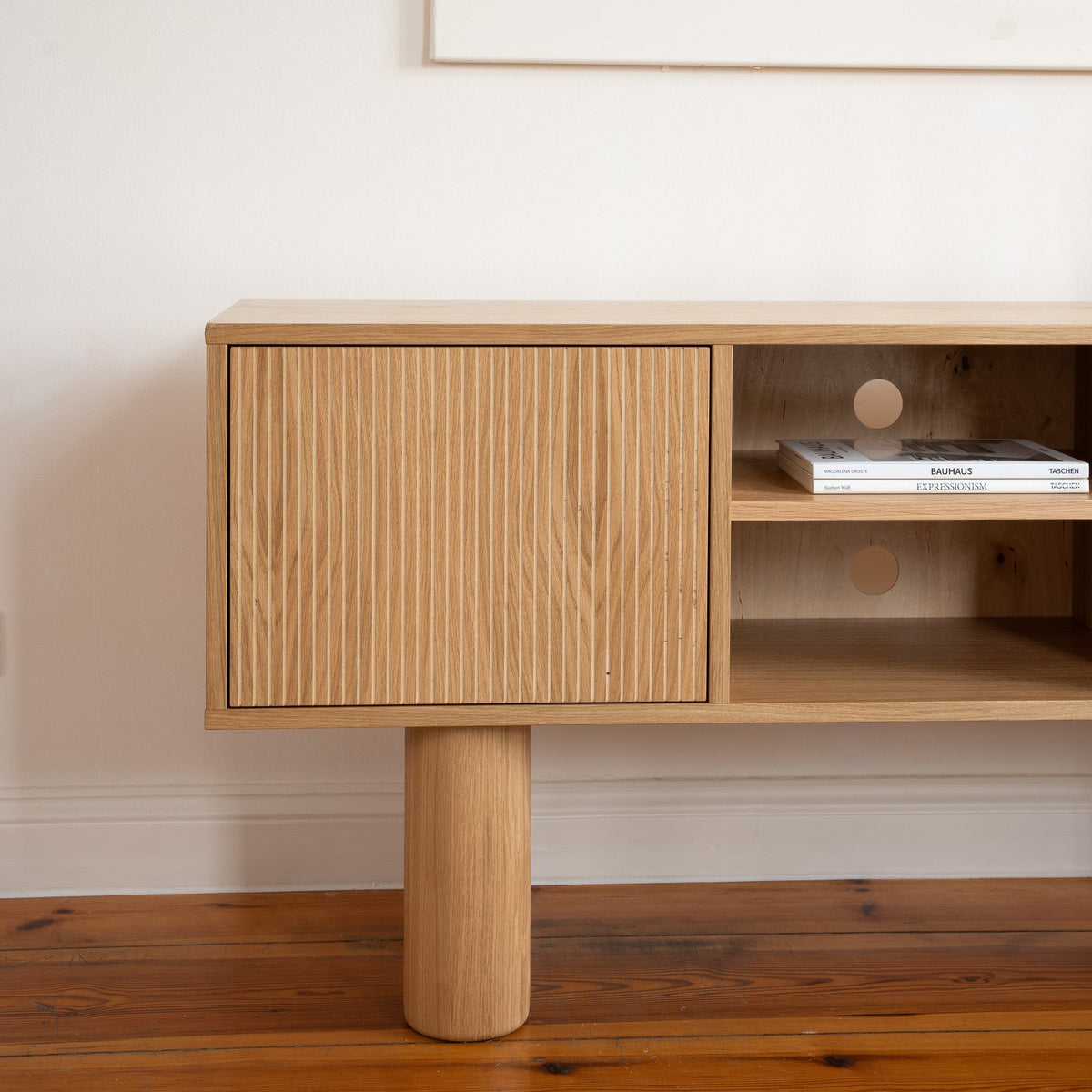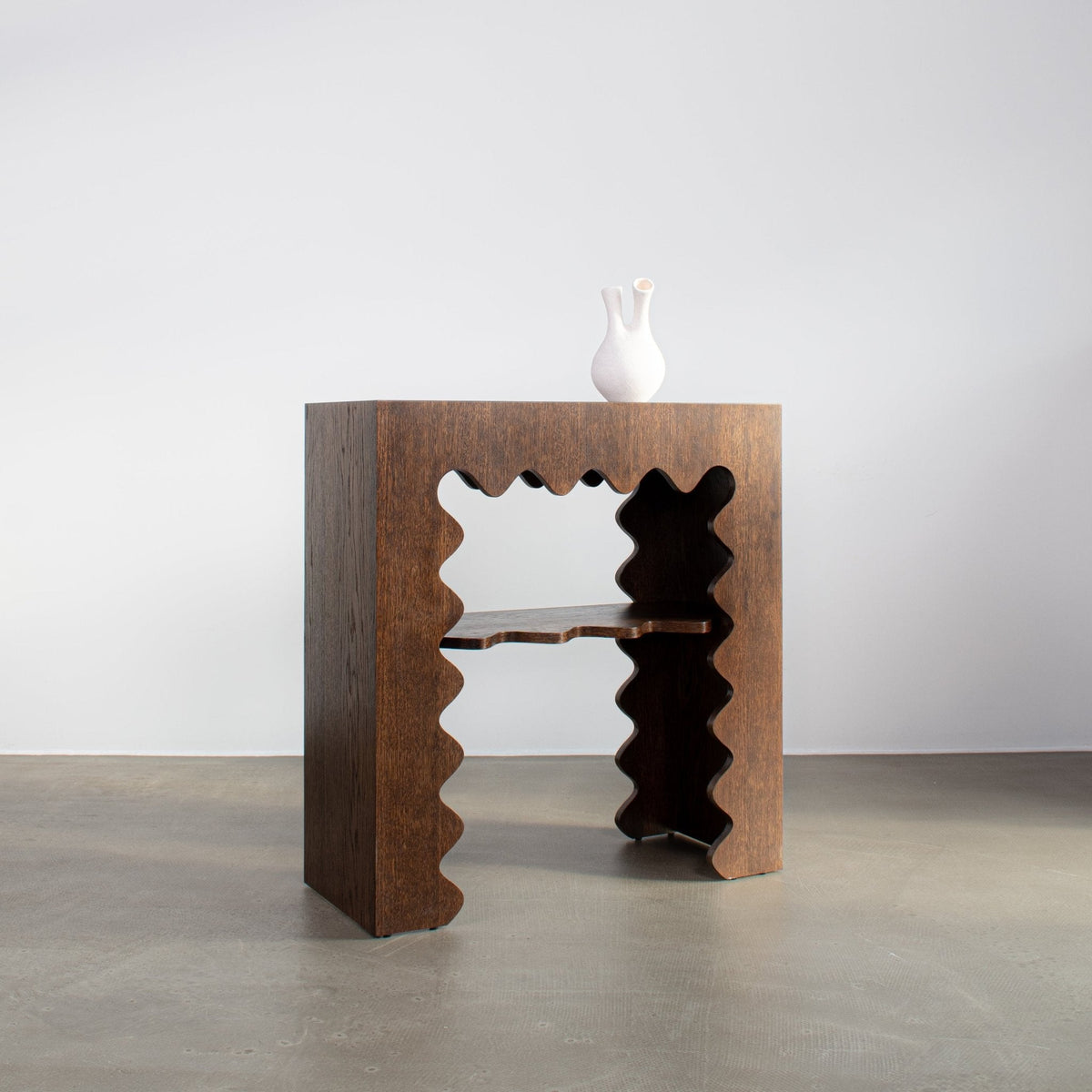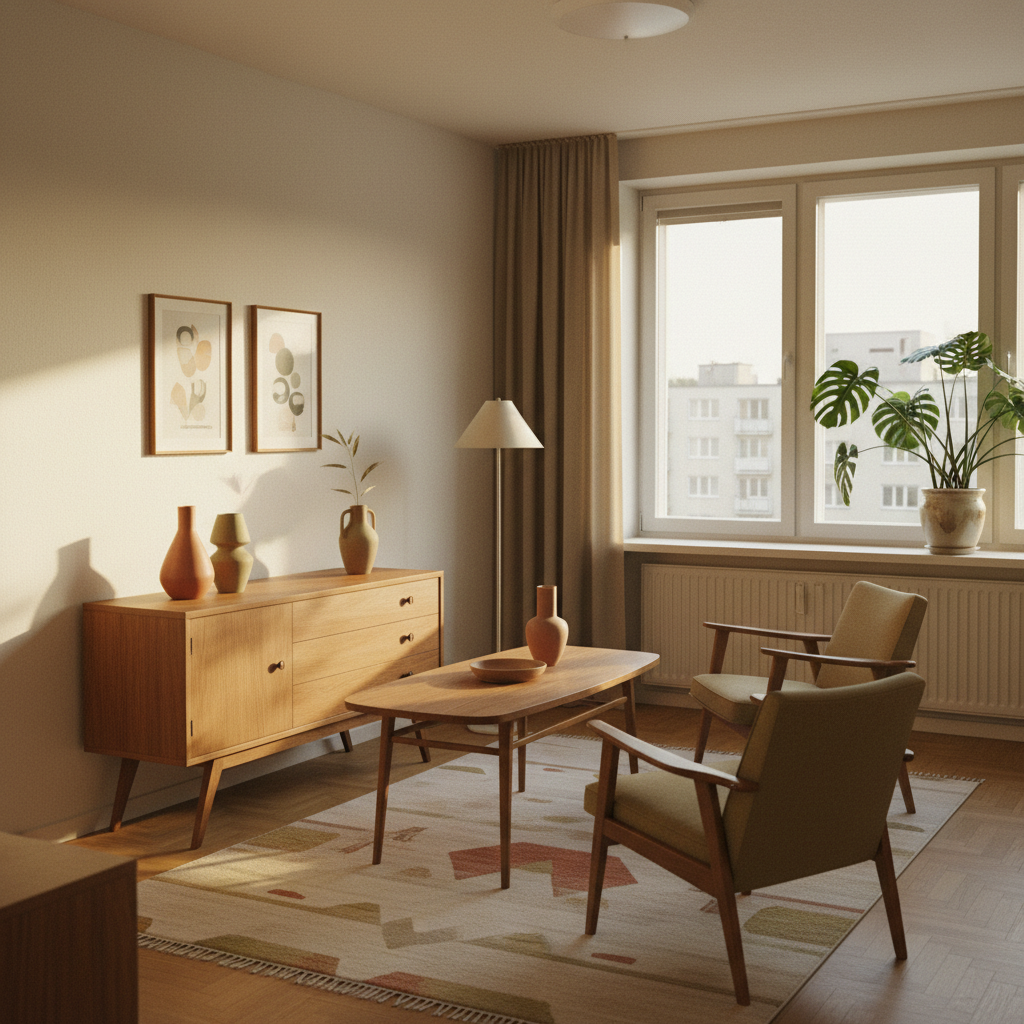
For years it stood in the shadow of Scandinavian and American design, but today Polish design of the 1950s and 1960s is enjoying a well-deserved revival. More and more people appreciate its originality, practicality and distinctive aesthetic sensibility, which set it apart from other strands of modernism. The furniture and everyday objects created in this period – often referred to as Polish mid-century or PRL-era design, after the Polish People's Republic – were a response to post-war reality, yet they carried a remarkable culture of form and a thoughtful approach to design.
It is precisely these qualities that mean the designs of that era still inspire today's designers, interior architects and lovers of good design. Their relevance comes from a simplicity and versatility that fit perfectly with today's aesthetic needs.
The historical context – design in an age of scarcity
The 1950s and 1960s in Poland were difficult but extraordinarily creative years. Limited access to materials, technology and production tools forced designers to look for simple, economical and yet carefully considered solutions. The result was logical, visually light forms free of unnecessary ornament.
Furniture from the 1950s and 1960s was designed with mass production and small flats in mind, but without compromising on quality or ergonomics. Design was meant to be affordable, durable and functional – and attractive at the same time, even in modest circumstances.
This was when the distinctive language of Polish modernism took shape: economical and rational, yet warm and human. Designers set out to create objects that genuinely made everyday life more comfortable.
Icons of Polish 1950s and 1960s design
The history of Polish design from this period includes many pieces that are now regarded as icons. Although they were often created in difficult conditions, they impressed with their proportions, functionality and feel for form. Their defining features include:
- slender furniture silhouettes with a light construction,
- natural wood and veneer, often in warm, honey-coloured tones,
- splayed legs and well-balanced proportions,
- simple geometric shapes softened by gentle curves.
Chairs, armchairs, sideboards and tables from that era still look remarkably fresh and current. Furniture from the 1950s and 1960s was not designed for a fleeting effect – it was meant to last for years, which is why it feels so at home in contemporary interiors too.
Polish modernism and international trends
Although Polish 1950s and 1960s design developed in very different circumstances from Western design, many of its solutions were surprisingly close to the mid-century modern movement. Lightness of form, an emphasis on function and inspiration drawn from nature linked Polish designers with their counterparts in Scandinavia and the United States.
The difference lay in a greater restraint and economy of expression. Polish modernism was more disciplined and more closely tied to the practical needs of its users – which, paradoxically, gave it an exceptional timelessness and authenticity.


1950s and 1960s style as a source of modern inspiration
Today, furniture from the 1950s and 1960s is not only sought after by collectors but is also an important reference point for contemporary design. Designers readily borrow its characteristic proportions, materials and details, reinterpreting them in a modern, more versatile way.
In today's interiors you will increasingly find:
- sideboards and vintage cabinets inspired by post-war modernism,
- vintage desks with slender legs and simple, practical tops,
- coffee tables with soft, organic shapes,
- sofas and armchairs that echo the classic forms of the 1950s and 1960s.
This is clear proof that Polish 1950s and 1960s design is not a closed chapter of history but a living source of inspiration that answers today's aesthetic and practical needs perfectly.
Summary – the timeless strength of Polish modernism
Polish design of the 1950s and 1960s is a unique blend of functionality, simplicity and sensitivity to the everyday needs of its users. The furniture and objects of this period were created in difficult conditions, and it was precisely this that gave them their remarkable discipline of form, logical solutions and durability. It is modest but deliberate design – built on proportion, material and respect for space.
Today, furniture from the 1950s and 1960s continues to inspire new generations of designers and homeowners. Its versatile character means it fits easily into contemporary interiors, bringing harmony, warmth and authenticity. By drawing on Polish mid-century modernism, we choose not just an aesthetic but also values that stay relevant regardless of changing trends.